What NUTM is
The case for the university, made by the people building it.
What life at 6 Freetown Road actually involves: where you live, how the week runs, what the city outside the gate is for, and who you leave with.
Arriving, living, the shape of the week, the city as a classroom, and the people you leave with.
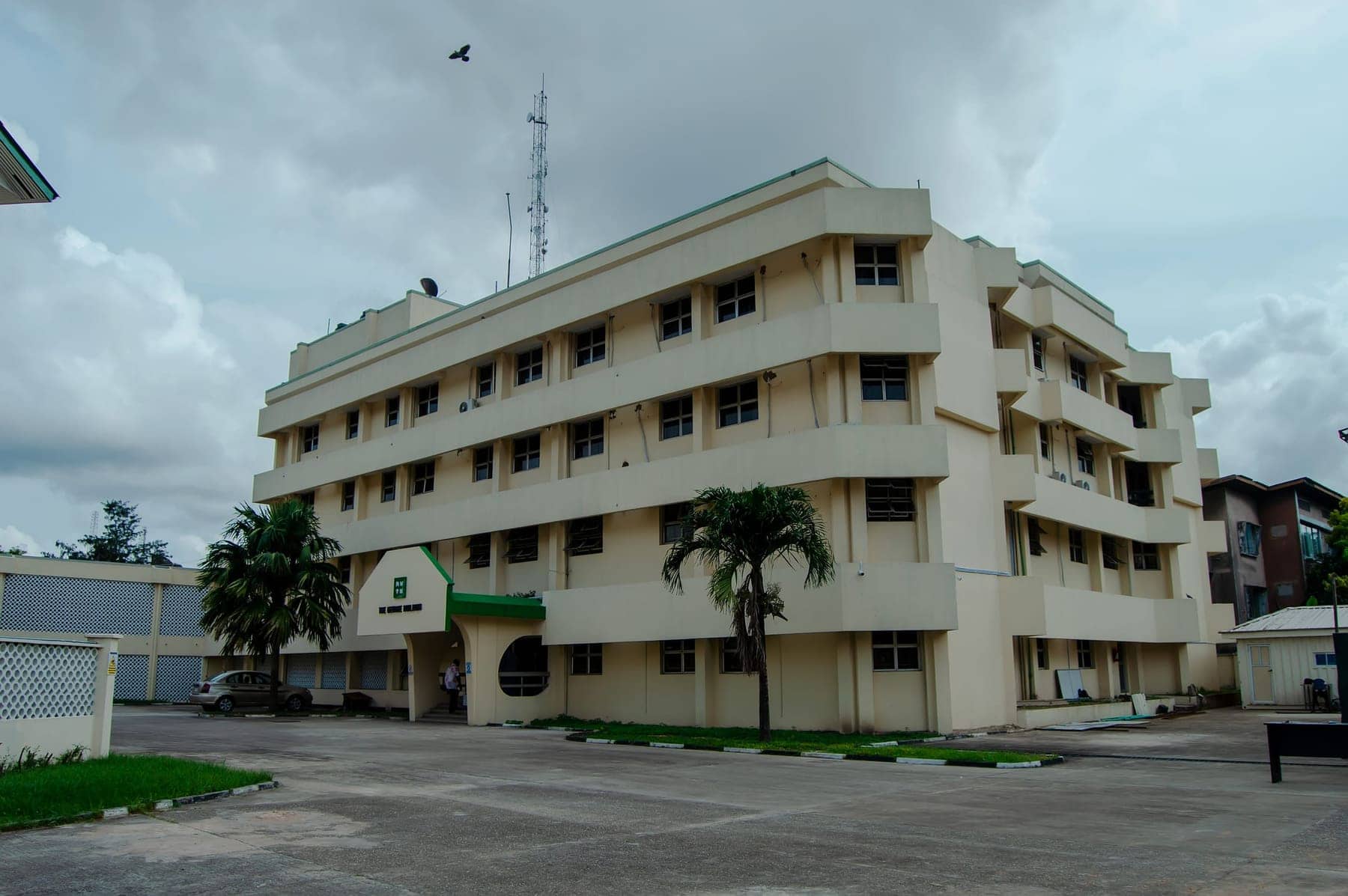
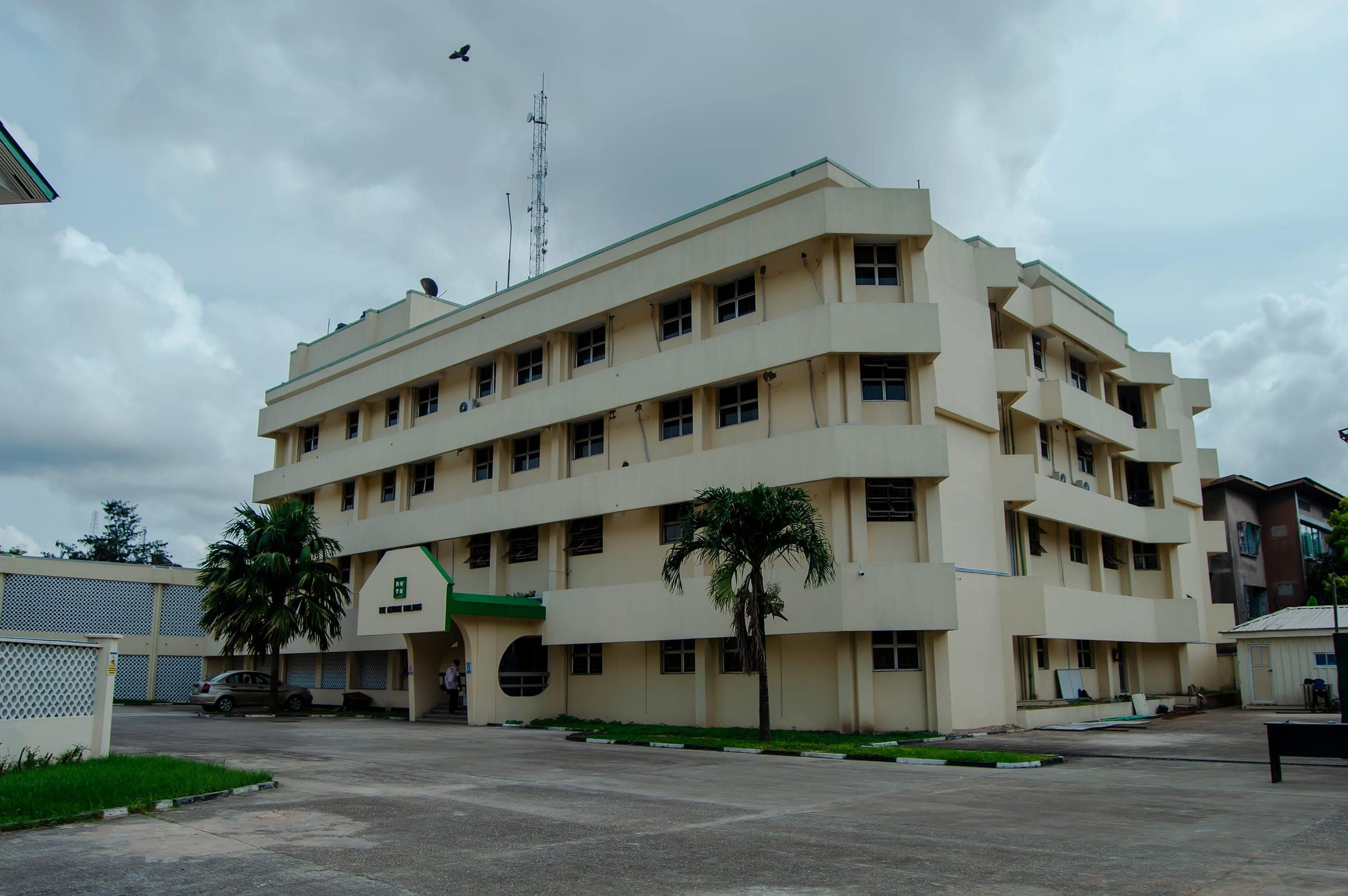
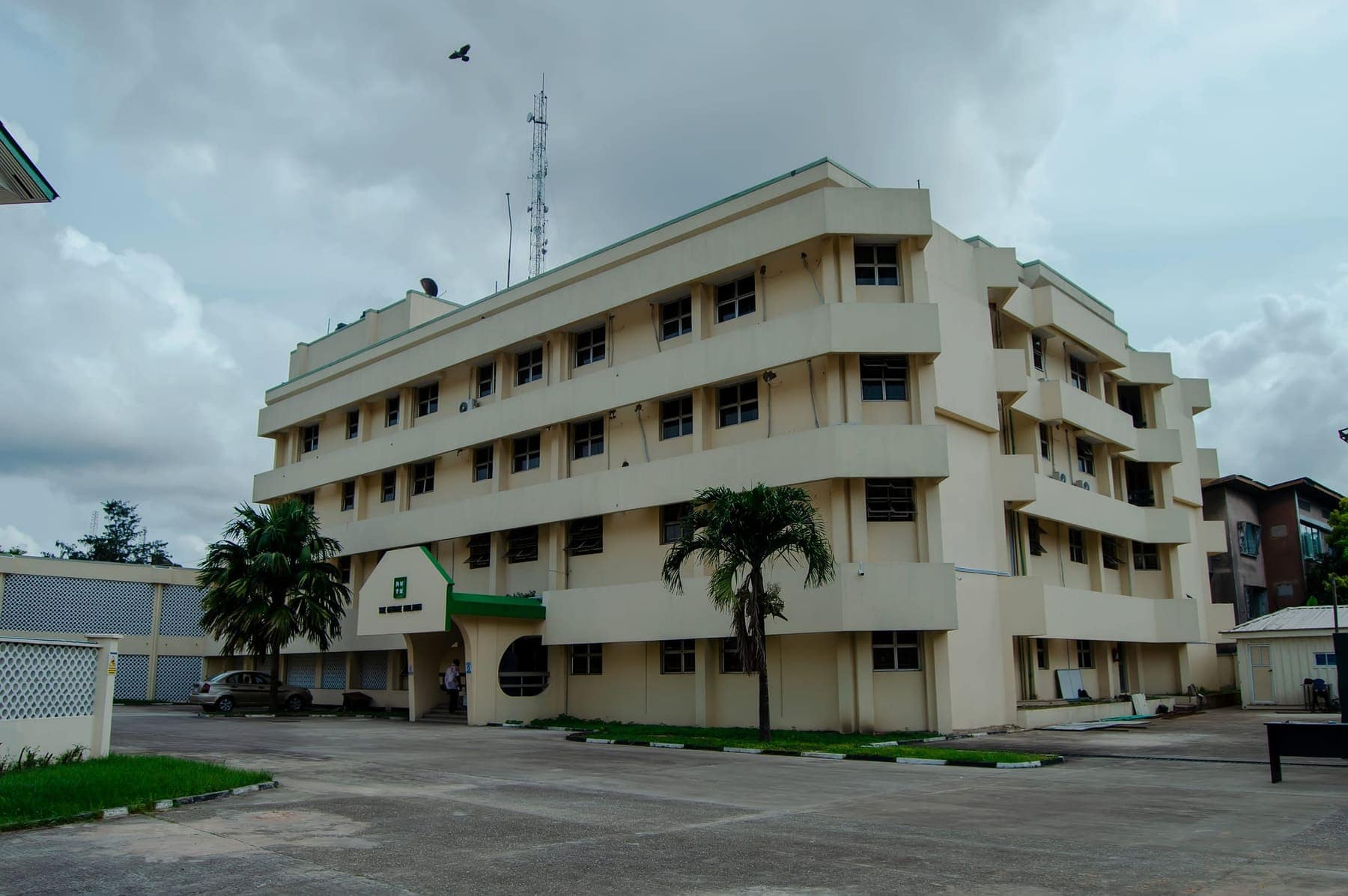
The campus is at 6 Freetown Road, Apapa, inside the district through which most of Nigeria's imports and exports physically move. It is not a landscaped estate on the edge of a city. It is in the working part of Lagos.
That is disorienting for about a fortnight and then it becomes the point. The supply chains, customs processes and logistics businesses that appear in case studies are operating on the other side of the wall, at scale, badly and well, every day.
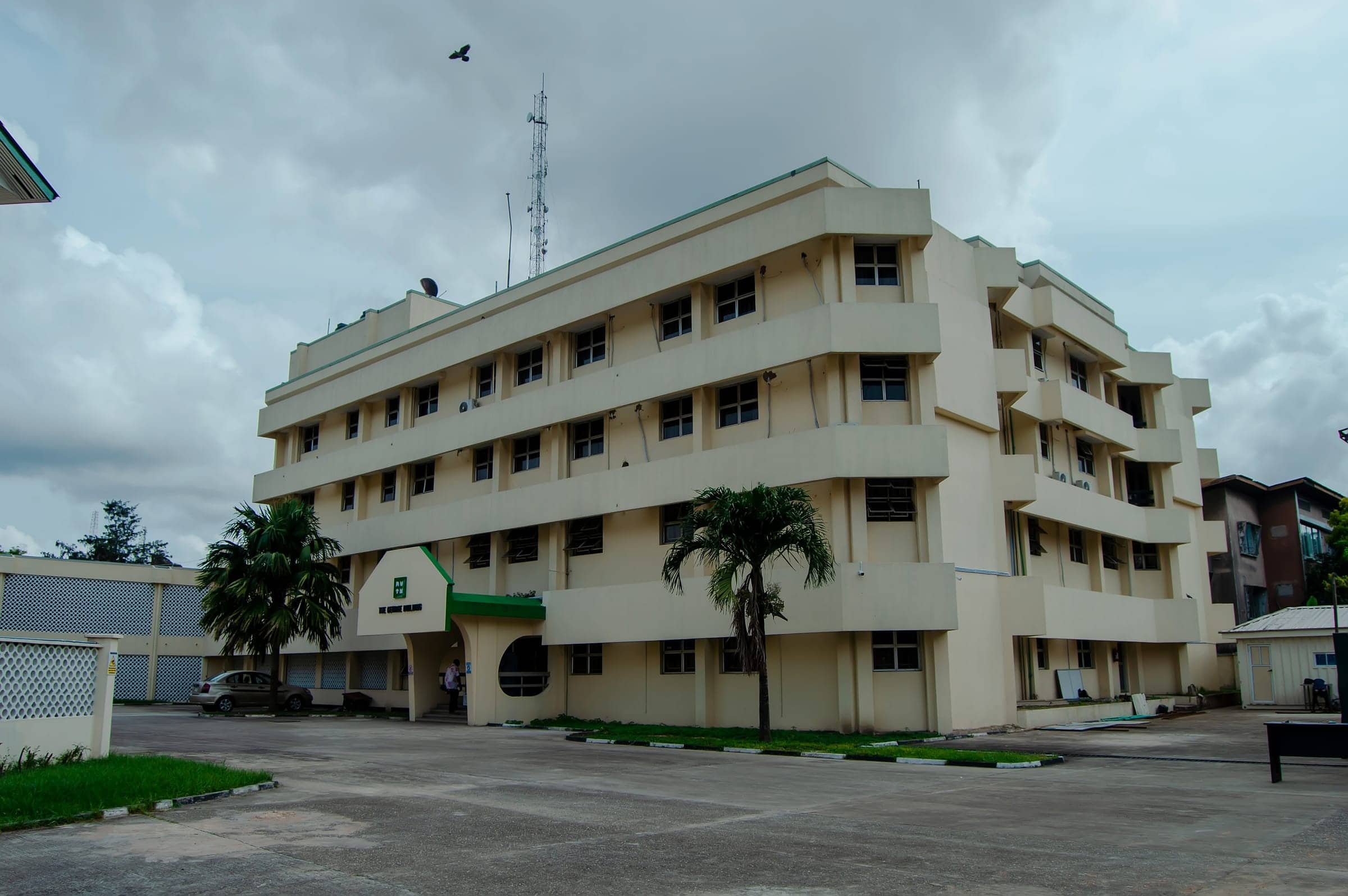
On-campus accommodation is available and optional. Students may live in their own accommodation off campus instead, provided they make every scheduled academic and mandatory activity, and the schedule is not forgiving.
Meals are not included in either arrangement. Students pay for their own food on campus, and we are explicit that travel to and from Lagos is not covered either. Knowing that before you accept an offer is better than discovering it after.

Teaching runs Monday to Friday and sometimes on Saturday. We do not encourage full or part-time work alongside an undergraduate degree, and says so plainly rather than leaving students to discover the conflict in their second semester.
There is a real attendance policy. Missing enough of a course can cost a grade band or produce an F outright. It reads as harsh until you notice that it is the same mechanism that makes the cohort dependable to work alongside.
Every undergraduate completes two mandatory industrial placements, at 200 and 300 level, inside real companies. Students may take further optional placements on top of those.
Alongside the placements, the venture design labs and the Market-Creating Innovation work run against live briefs rather than supplied cases. The city is close enough that a customer interview is a bus ride, not a field trip.

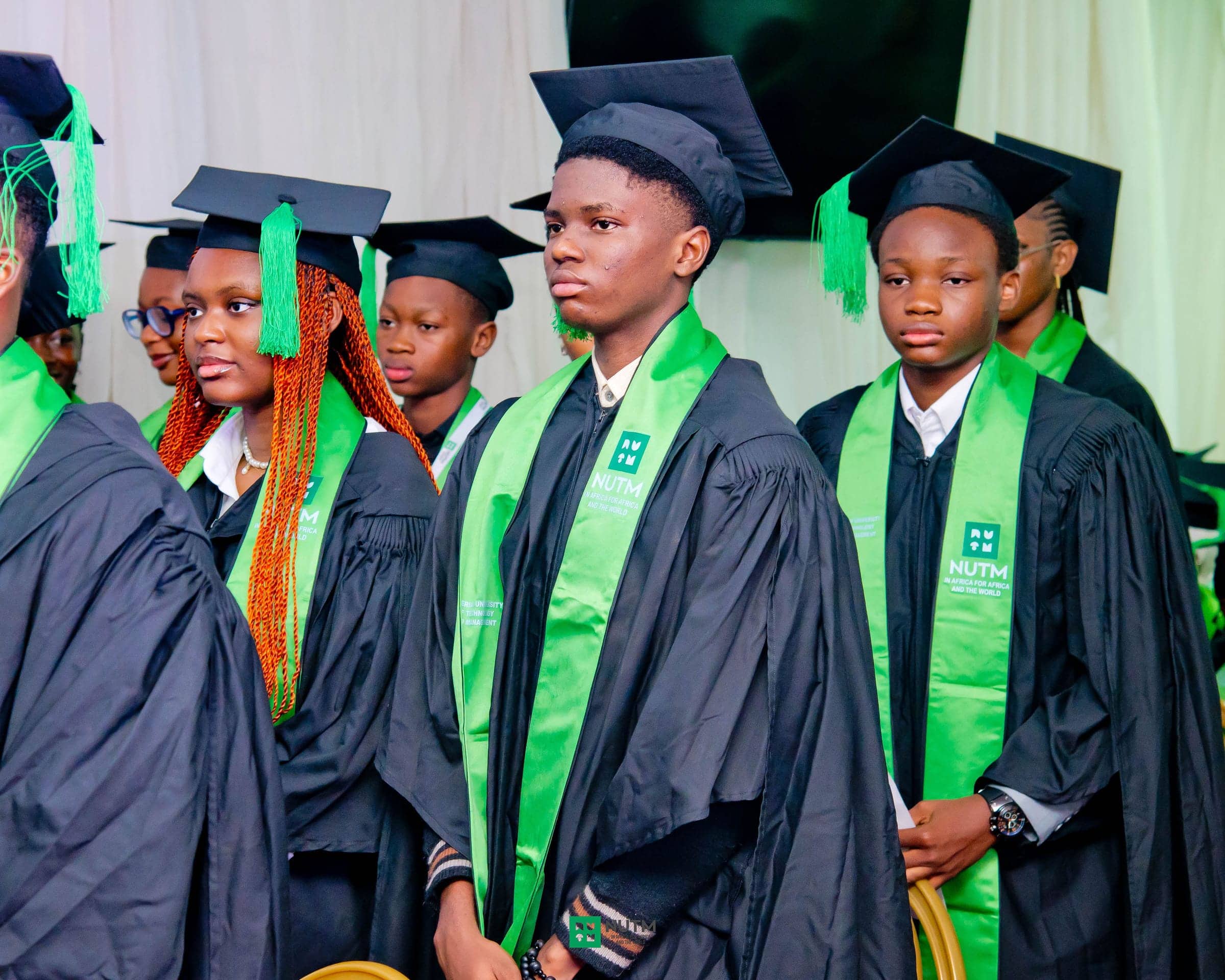
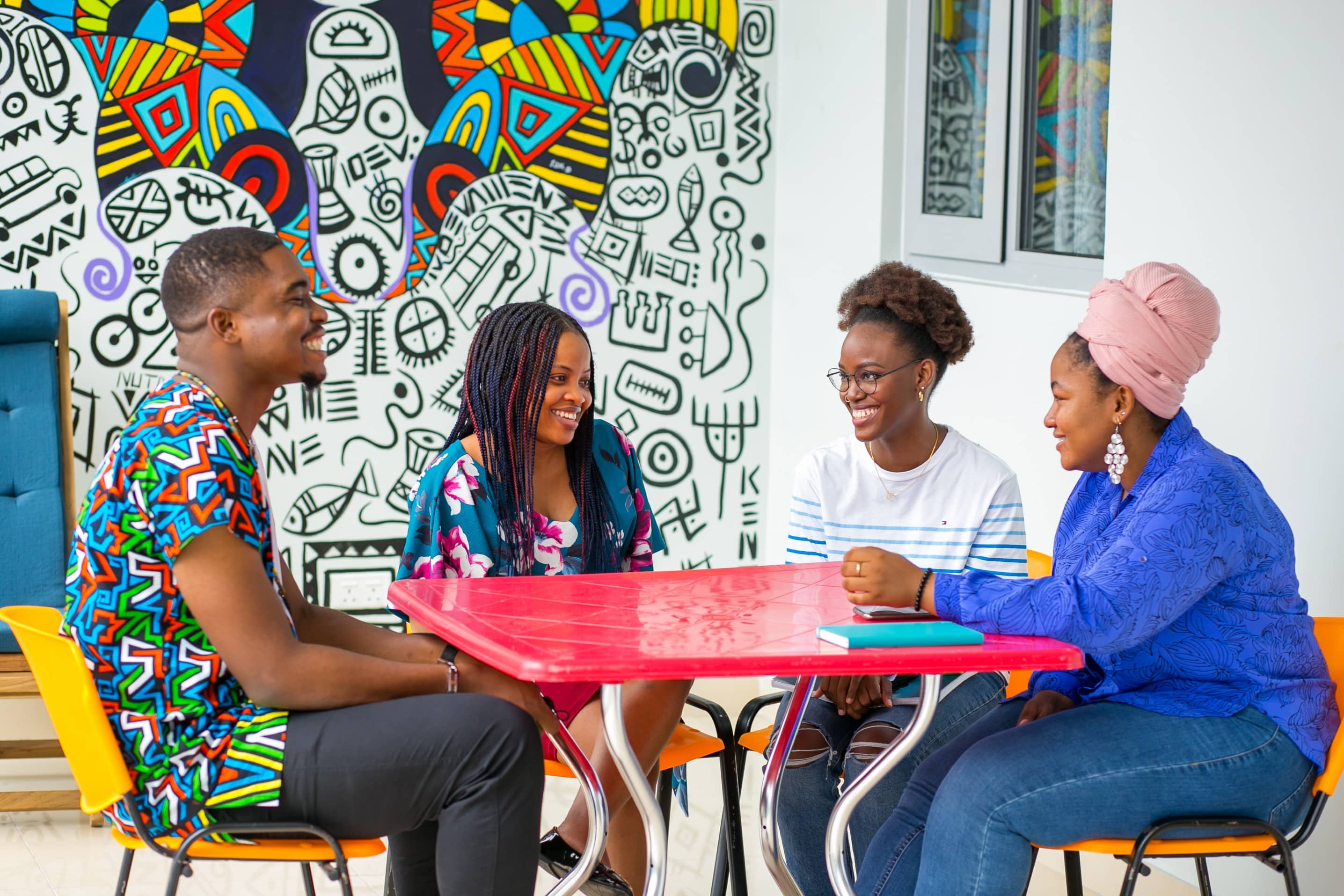
The cohort is small, the timetable is shared, and four years of an intensive schedule produces the kind of familiarity that a larger university cannot manufacture. Most of what graduates say they took away is other people.
Alumni are now working and building across Nigeria, Ghana, Rwanda, Cameroon, the United Kingdom and the United States. That dispersal is the network, and it starts as the person sitting beside you in a first-year foundation class.
Student life, the residence and the people who teach here. Press play. Nothing downloads until you do.
Teaching, computing and library space on a single site, with the practical services a residential cohort needs.
Lecture theatres and seminar rooms sized for a small cohort, so teaching is discussion rather than broadcast.
Purpose-built lab space including the cybersecurity teaching lab equipped for live incident-response exercises.
Library and quiet study space on site, open around a timetable that runs six days a week.
On-campus rooms for students who want them, with the alternative of living off campus and travelling in.
Admissions, registry and programme staff resident on campus rather than reachable only by email.
Apapa's port, customs and logistics economy, which supplies placements, live briefs and most of the case material.
Cohorts are small enough that everybody knows everybody, which is either the best or the worst thing about it.
Anything not answered here, ask our admissions office directly at admissions@nutm.edu.ng. The campus is at 6 Freetown Road, Apapa, Lagos.

Tour the labs and the library, sit in on a teaching session, and meet the people who would be teaching you.