What NUTM is
The case for the university, made by the people building it.
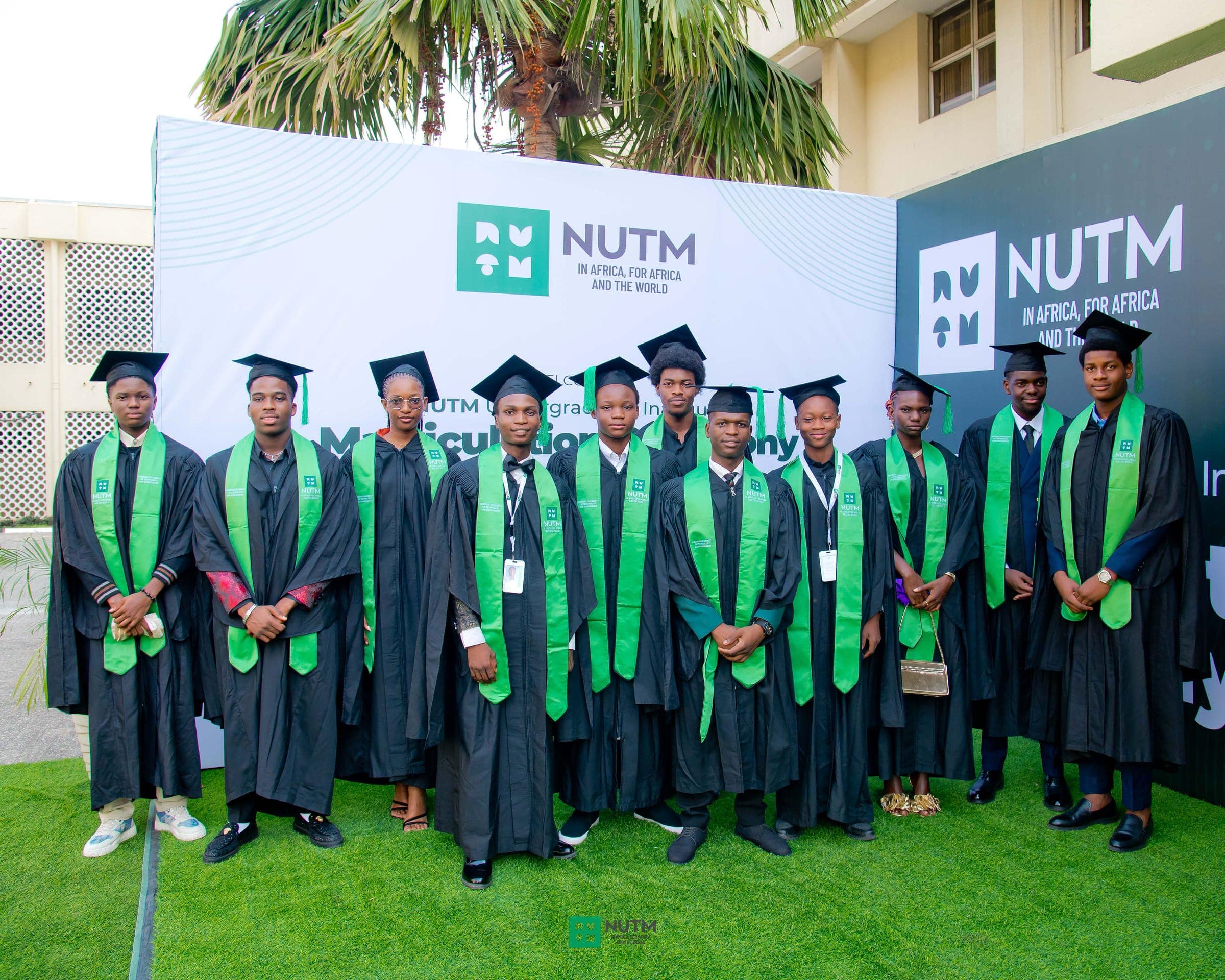
NUTM exists to turn Nigeria's demographic weight into technical and managerial capability, on one campus, in the port district of Apapa, at a standard that does not need qualifying.
To develop innovative leaders in technology and management who will create an impact in Africa and the world.
To be ranked among the top 50 global institutions focused on technology and management.
Within ten years, to be among the top five universities in Africa and the best in Nigeria.
Read in order, they are the argument for why we exist at all.
NUTM was approved by the Federal Executive Council and accredited by the National Universities Commission to award full bachelor's degrees. It is profiled on the JAMB portal and admits through UTME like any other Nigerian university.
That matters more than it should have to. A new private institution teaching technology invites the assumption that it is a bootcamp with a crest. The licence settles the question before the conversation starts.

Apapa is the district through which most of Nigeria's trade physically passes. Container traffic, customs, freight, logistics and the businesses that live on them are on the other side of the wall.
“In Africa, for Africa and the World” is a claim most institutions make in a brochure. Here it is a description of the postcode. Students walk out of a lecture on operations management into the largest single operations problem in West Africa.

Entry runs through UTME, alongside your O'Level results, a personal statement and two interviews. Cut-off marks and subject combinations are set per programme and confirmed with our admissions office. Applications are read on a rolling basis.
The interviews are not a formality. They exist because a score measures one thing and a conversation measures another, and we would rather admit the second kind of evidence than pretend the first is sufficient.
Two faculties, Computing & Science and Management, with fourteen programmes between them across undergraduate, postgraduate and executive study. Nothing else.
A university that tried to teach everything would teach none of it at this standard. Adjunct academics from Oxford, MIT, Stanford, Penn, Cornell and Worcester Polytechnic teach alongside resident faculty, which is only sustainable across a small number of subjects.

To be ranked among the top 50 global institutions focused on technology and management, and within ten years to be among the top five universities in Africa and the best in Nigeria.
Publishing a target that specific is a choice. It can be measured, and therefore it can be missed. Everything on this site, from the entry threshold to the placement requirement to the faculty list, is either evidence toward it or evidence against.
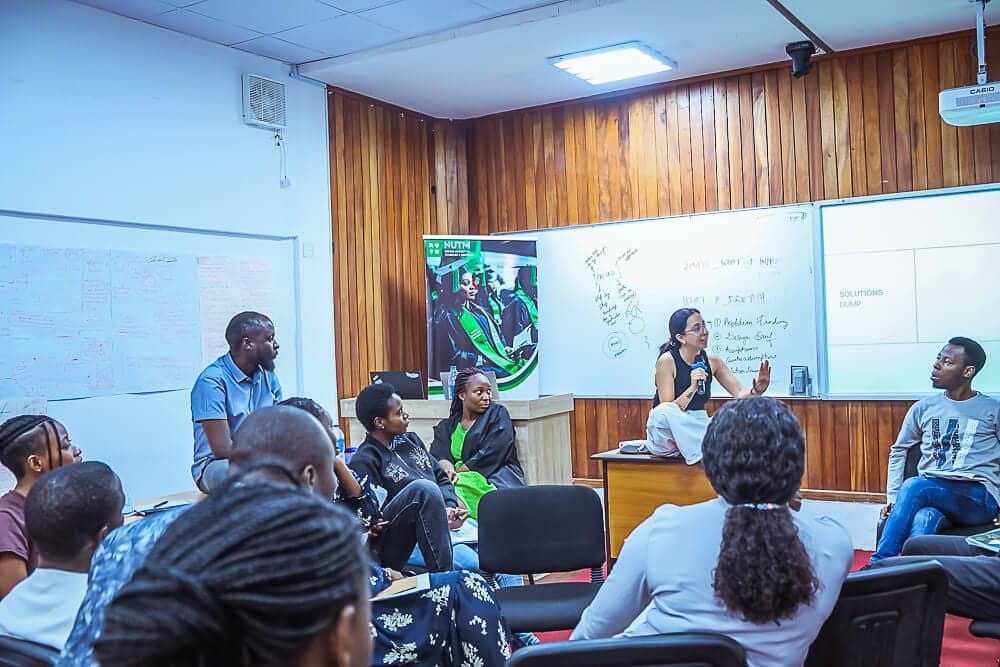
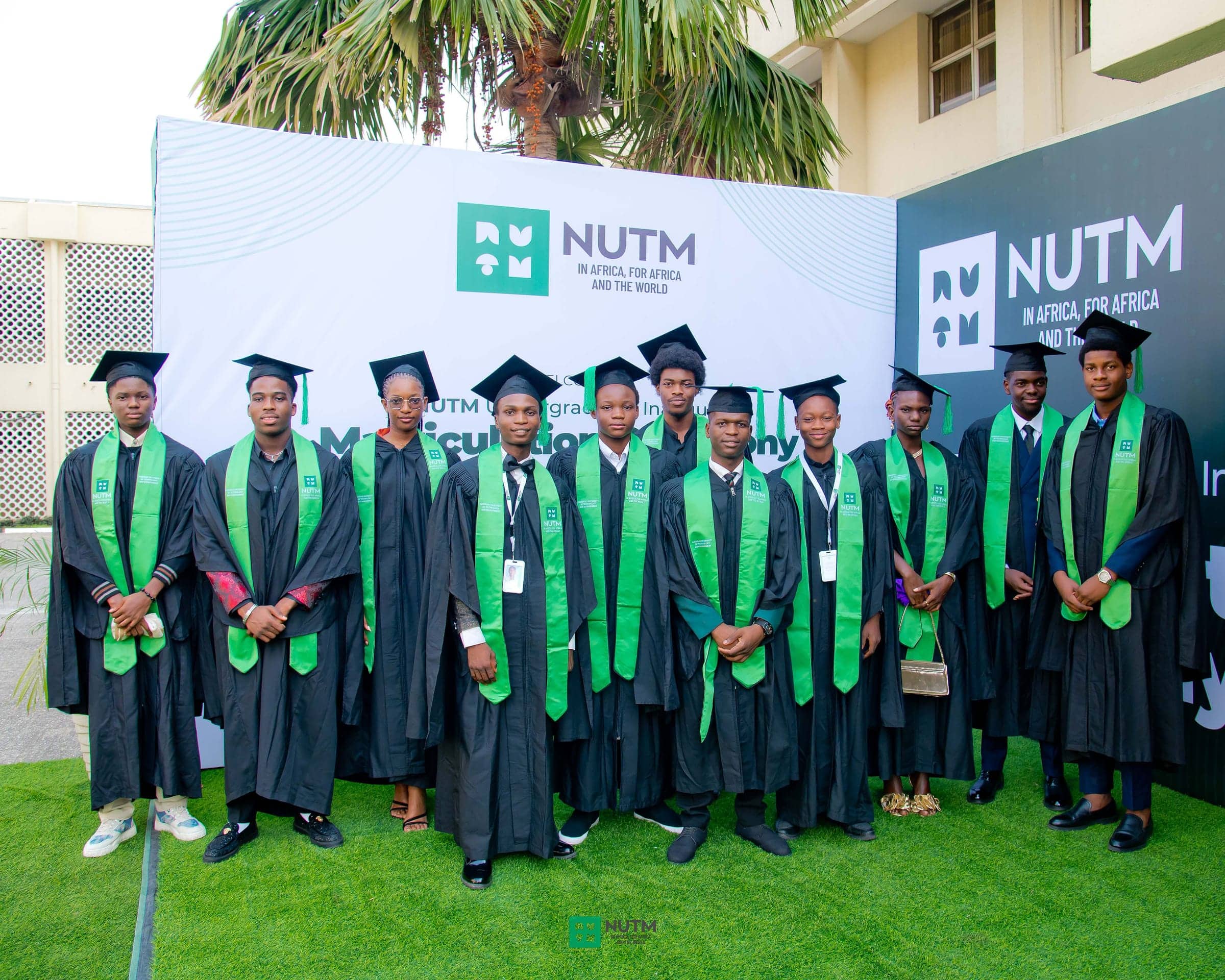
Photographs of the campus, the teaching and the people in it.
What NUTM is, what the campus looks like, and what the people here say about it. If you would rather ask us something, we read every email on a rolling basis at admissions@nutm.edu.ng.

Tour the labs and the library, sit in on a session, and meet the people who would be teaching you.